Buying great 4K monitors for gaming in September 2026 is less about "4K" and more about choosing the right panel tech and signal path for the frame rates you actually intend to drive. This ranked review is built from publicly available manufacturer specifications, product documentation, and independent public reporting—not hands-on use. The goal is to identify which models make the cleanest trade-offs for a modern 4K gaming display.
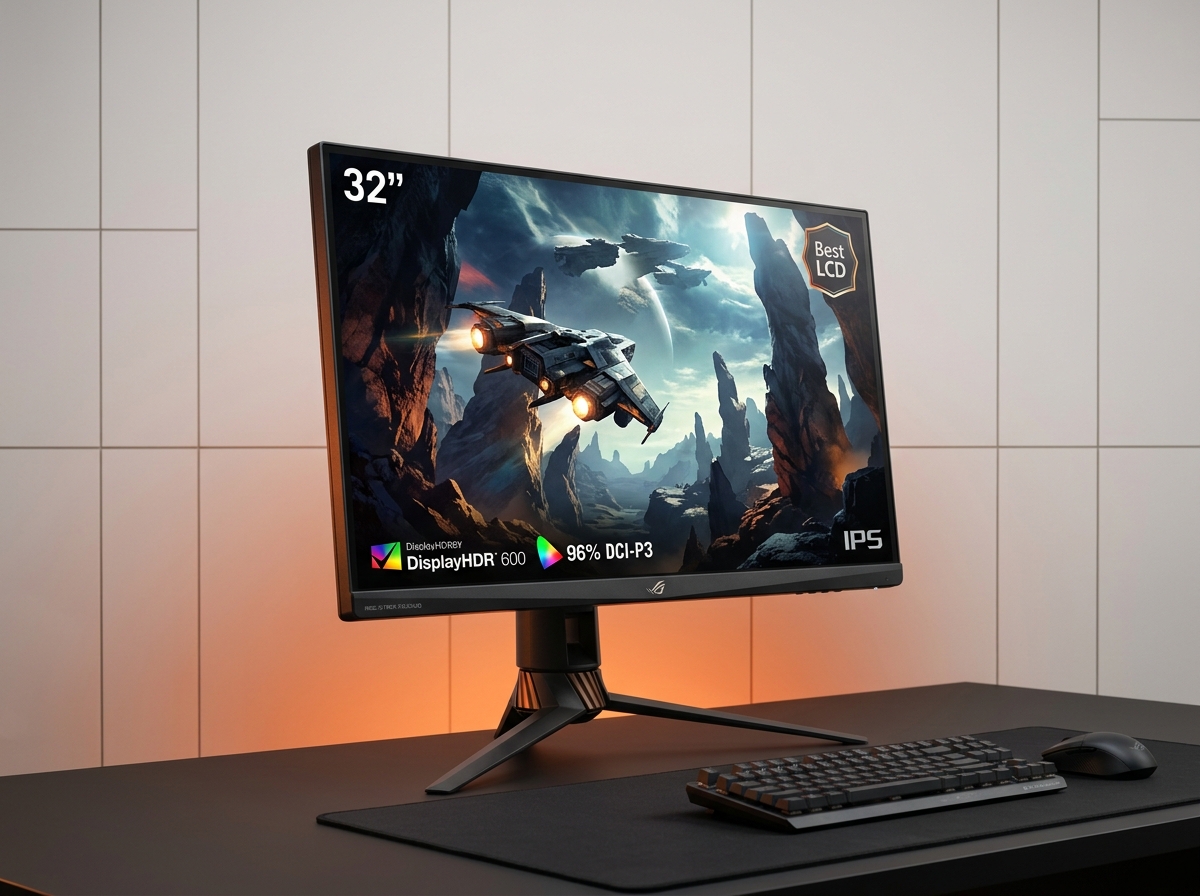
At a glance, these are the five monitors that earn a shortlist on paper: LG's UltraGear 32GS95UE-B as the most flexible all-rounder; ASUS ROG's PG32UCDM as the most color-serious flat QD-OLED option; GIGABYTE's AORUS FO32U2P as the "future-proof the cable" pick via DisplayPort 2.1 UHBR20; ASUS ROG's Strix XG32UQ as the best mainstream LCD alternative when you want high refresh without OLED care; and ASUS's PG42UQ for people who specifically want large 4K computer monitors on a desk and are willing to set up the room around them.
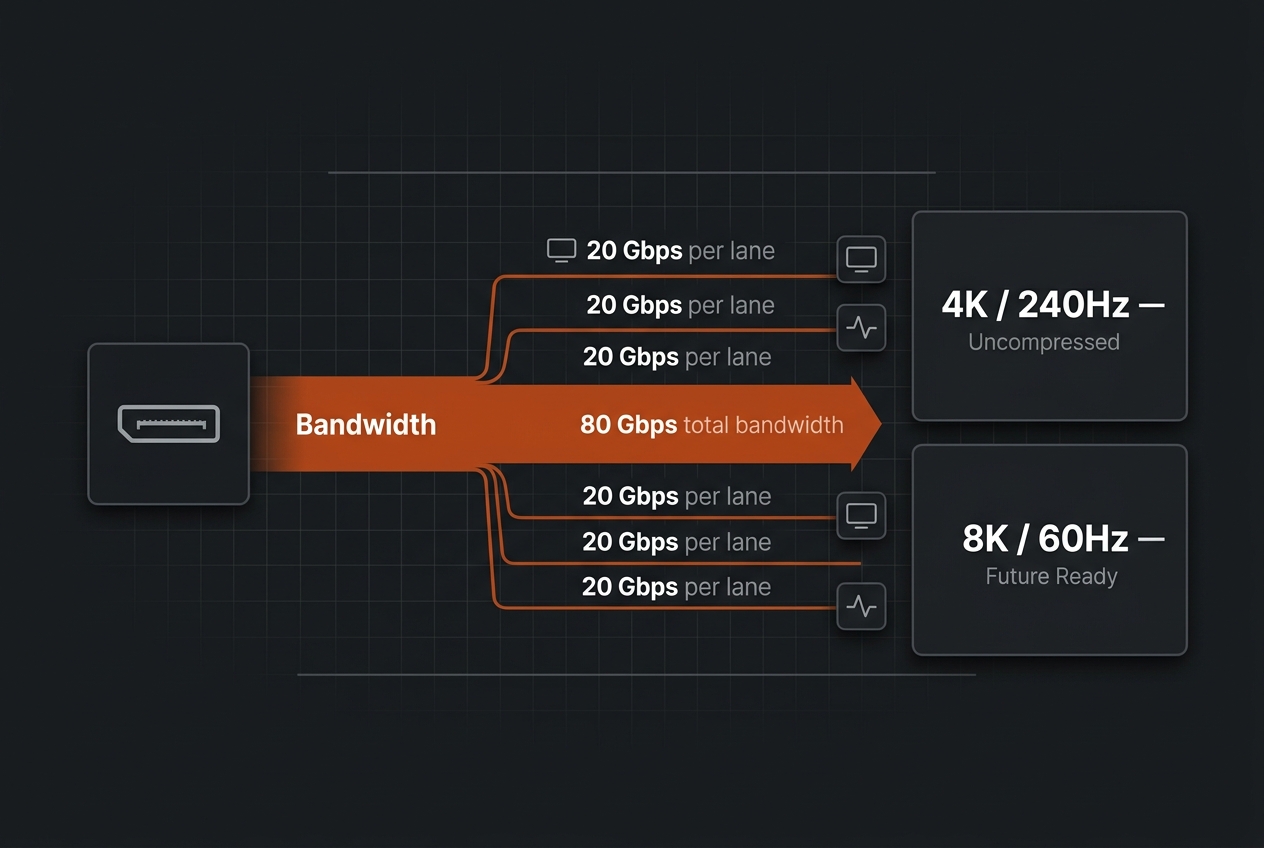
First criterion: motion clarity and the "4K high-refresh" reality. A 4K PC monitor gaming setup at 144–240 Hz isn't just a panel decision; it's a bandwidth decision. ASUS ROG explicitly calls out DisplayPort 1.4 with Display Stream Compression (DSC) and HDMI 2.1 on the PG32UCDM, which is exactly the connectivity profile you expect in the current crop of 4K/240-class panels. Those statements matter because they define the ceiling: your GPU and cable chain has to match the monitor's best-case marketing.
Second criterion: panel technology and HDR, where "IPS LCD vs OLED" is the decision that changes how games feel. OLED's advantage is per-pixel lighting: black levels and small highlights can look dramatically more convincing than even good LCD local dimming. Manufacturers increasingly pair that with VESA's DisplayHDR True Black certifications. LCD's counterpunch is sustained full-screen brightness and the lack of burn-in risk.