Find the Right Display Based on Documented Specs and Public Research
Monitor Maven publishes desk-research verdicts drawn from manufacturer specifications, product documentation, retailer pricing, published customer ratings, and independent reporting—without claiming any in-house lab measurements. Each recommendation is grounded in comparing official specs against editorial criteria for gaming, creative work, and everyday productivity. Ready to narrow it down? Start with the top picks or dive into a quick comparison.
Five widely searched displays, summarized from official specs and public reporting.
1
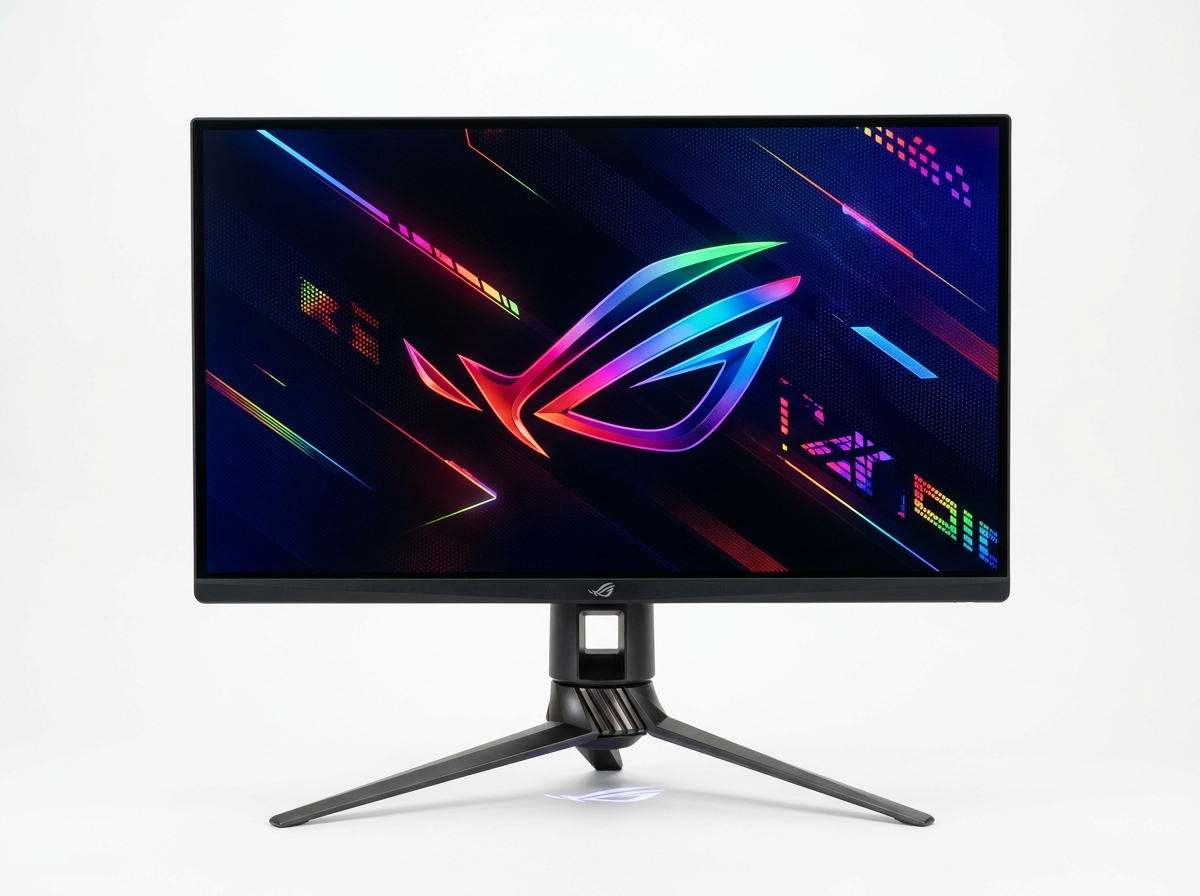
ASUS ROG Swift PG27AQDM
Best QHD OLED
A 27-inch QD-OLED panel at 2560×1440 with a 240Hz max refresh rate specified by ASUS, built for high-speed gaming with wide color coverage and rapid response.
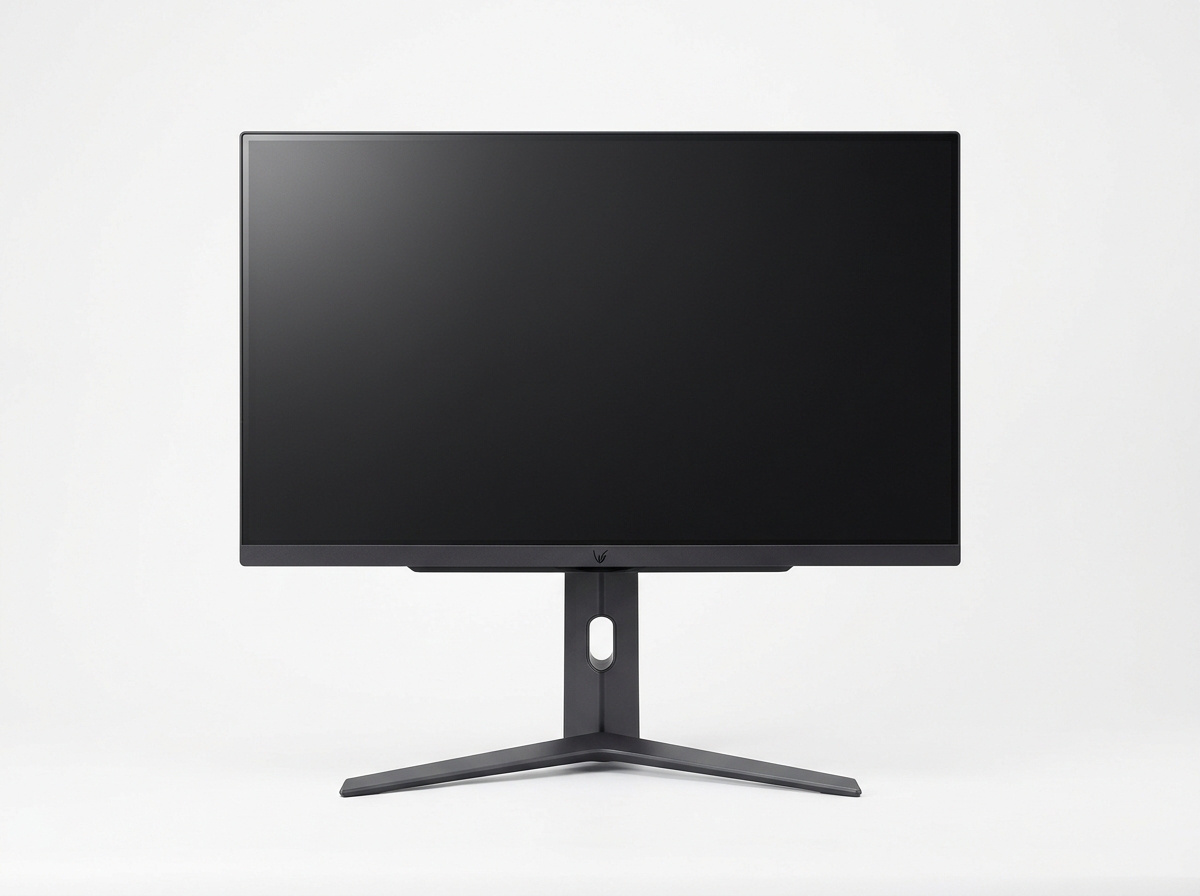
A 27-inch OLED display specified for 2560×1440 at 240Hz, designed for competitive play with rapid response and DisplayHDR True Black 400 listed in LG specs.
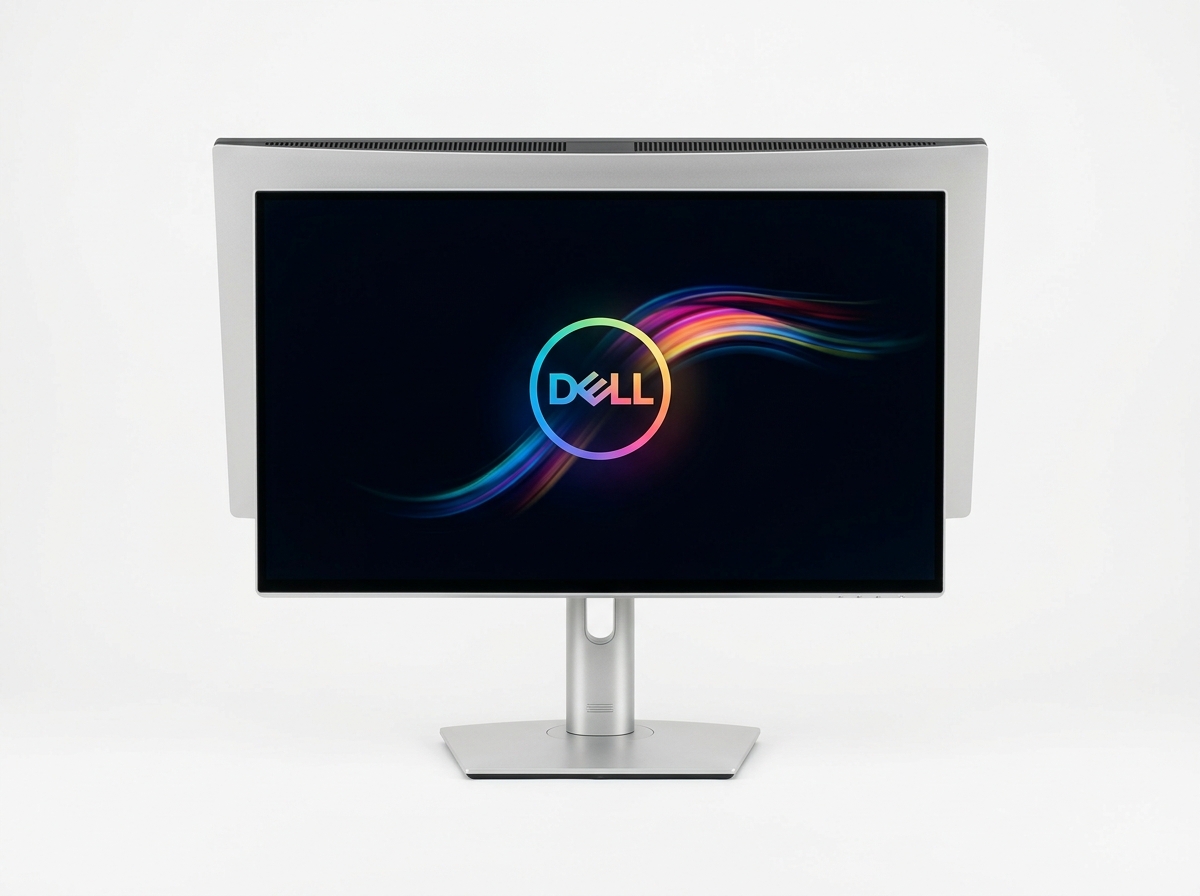
A 27-inch 16:9 IPS Black 4K display specified at 3840×2160 at 60Hz, built as a USB-C hub monitor with 90W USB Power Delivery and an RJ45 Ethernet port listed in Dell specs.
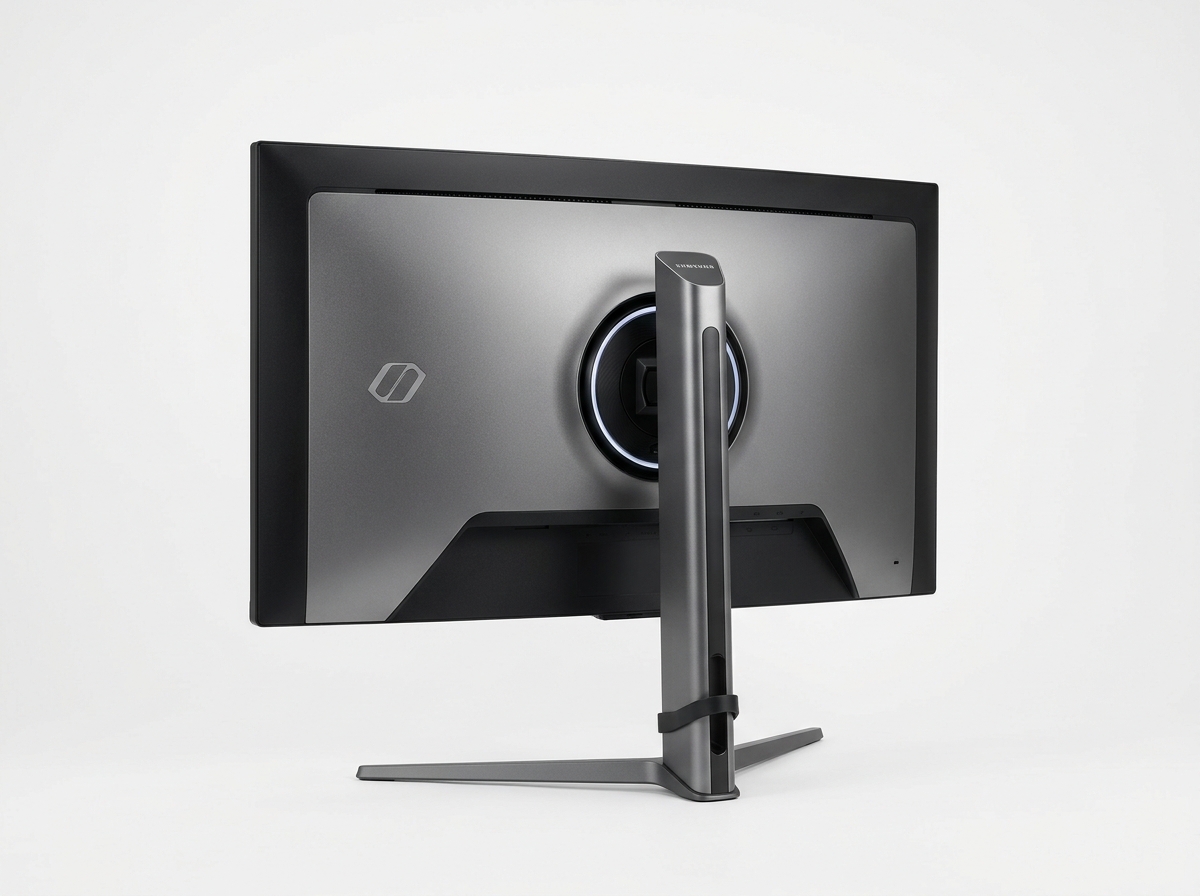
A 32-inch 4K OLED with 240Hz refresh rate specified by Samsung, featuring built-in smart apps and streaming capability without requiring a connected PC.
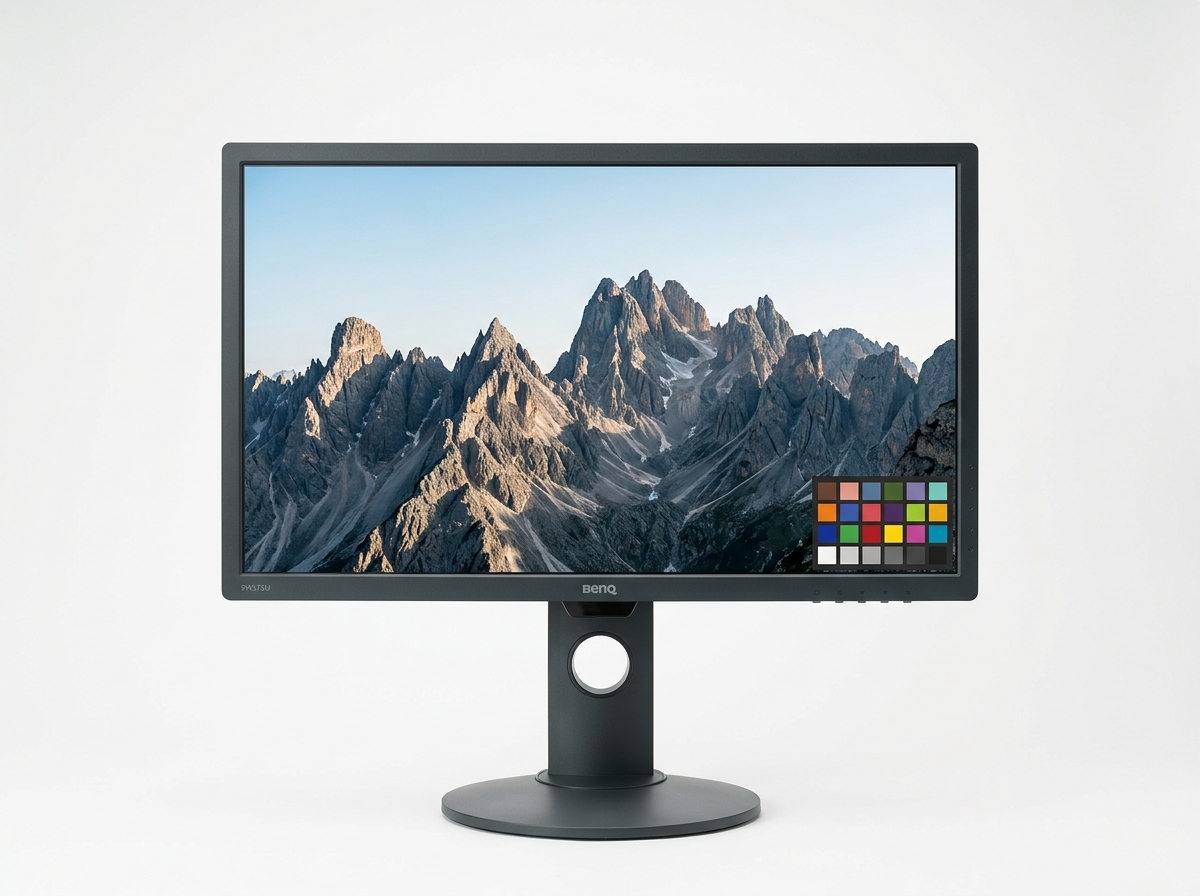
A 27-inch 4K IPS display specified at 3840×2160 at 60Hz, factory-calibrated and aimed at color-critical work with hardware calibration support and wide gamut coverage listed by BenQ.
New write-ups land as models change and lineups refresh; each post includes a short excerpt, the publish date, and the author byline for quick context.
BenQ SW272U reviewed from published specs and expert reports. 99% Adobe RGB, 4K IPS for photo work—but is $1,499 justified? Desk research verdict inside.
LG 27GR95QE-B UltraGear OLED review: 240Hz QHD OLED gaming monitor evaluated from published specs and independent reporting. Compare performance vs brightness trade-offs.
In-depth Dell UltraSharp U2723QE review comparing published specs and verified reports. 4K IPS Black panel, 90W USB-C dock features, and color accuracy evaluated.
Four spec levers that usually decide satisfaction before the return window closes.
Refresh Rate Headroom
60Hz, 165Hz, 240Hz, and 540Hz are not interchangeable—match the ceiling to the kind of motion you actually care about.
Panel Tradeoffs
IPS Black, Fast IPS, and OLED each push a different balance of contrast, viewing angles, response behavior, and long-term risk.
Port Map Matters
Look for the exact mix you need—HDMI 2.1 versus DisplayPort versions, USB hub capability, and whether USB-C Power Delivery is part of the package.
Shape and Pixels
16:9 4K, 16:9 QHD, and 32:9 DQHD change everything from text scaling to window layout and game support.
Before You Pick a Size
The most common regret is not wrong brand—it is choosing a format that does not match how the desk is used. A 27-inch 4K screen like the Dell UltraSharp U2723QE can be a clean fit for text-heavy work and sharp UI, especially when USB-C and Ethernet simplify a single-cable setup. A 32-inch 4K OLED like the ASUS ROG Swift OLED PG32UCDM leans into high refresh and deep contrast, but it also brings OLED-specific considerations: static elements, usage patterns, and warranty terms. A 49-inch 32:9 option like the Samsung Odyssey OLED G9 (G95SC) can replace a dual-screen layout for some workflows, yet it also raises compatibility questions for certain games and apps.